That story stuck with me. Because I've heard versions of it from so many homeowners since then. The stain on the ceiling that "wasn't getting bigger." The missing shingles that "probably weren't a big deal." The flat roof that "just needs another coat of sealant." Roofing problems don't wait. They accumulate. And then one wet November, they introduce themselves properly.
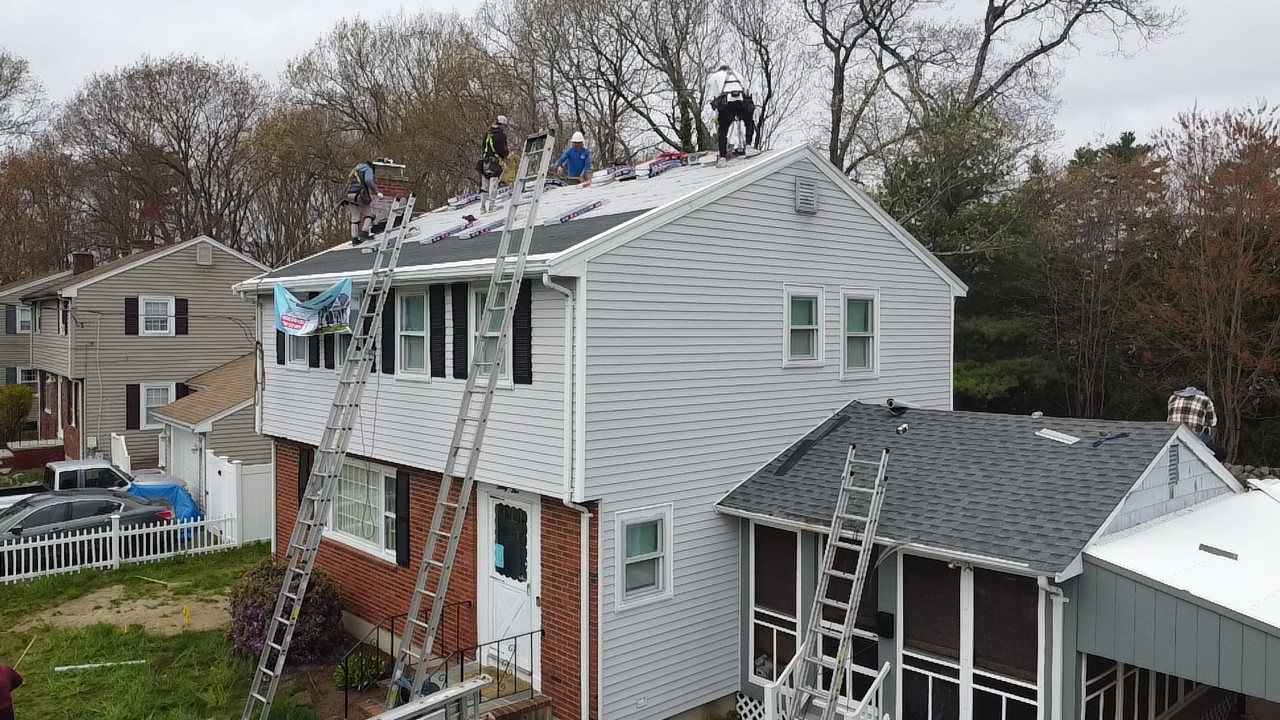
Why Massachusetts Roofs Age Faster Than You Think
There's something about New England weather that just grinds roofs down. It's not one dramatic event most of the time. It's the ice in January, then the melt in February, then the refreeze, then a windstorm in March, then heavy wet snow in April when you already thought spring had arrived. Rinse and repeat for twenty years and even a good roof starts showing its age.
If your roof is getting up there in years and you've been calling around, you've probably realized that finding affordable roof replacement services that don't feel like a compromise is harder than it sounds. You want the price to be reasonable. You also want the job done properly. That tension is real. But good value and good work aren't mutually exclusive — you just have to know where to look and what questions to ask.
A lot of people default to whichever contractor shows up first on Google. Fair enough. But the best roofing company in Massachusetts for your specific situation depends on a lot of factors: the type of roof, the age of the building, whether it's residential or commercial, and frankly whether the crew has actually worked in your town before. Local experience matters more than most people realize.
Boston Is a Different Roofing World
Spend a day driving around Dorchester, East Boston, or the South End and just look at the rooflines. It's a mix of everything — old triple-deckers with flat roofs tacked onto the back, Victorian-era peaked roofs on narrow lots, commercial storefronts with rubber membrane systems that are probably older than they should be. Boston roofing contractors who've worked the city know this landscape. They know which neighborhoods require special permits. They know how to stage materials on a street with no parking. They know that some of those old buildings have three layers of roofing already up there and you need to know what you're dealing with before you start.
Contractors who don't work the city regularly often underbid because they underestimate the complexity. Then the surprises show up mid-job and suddenly your "deal" isn't looking like a deal anymore. When you need expert roofing services, you want someone who's seen your type of building before. Not someone learning on your dollar.
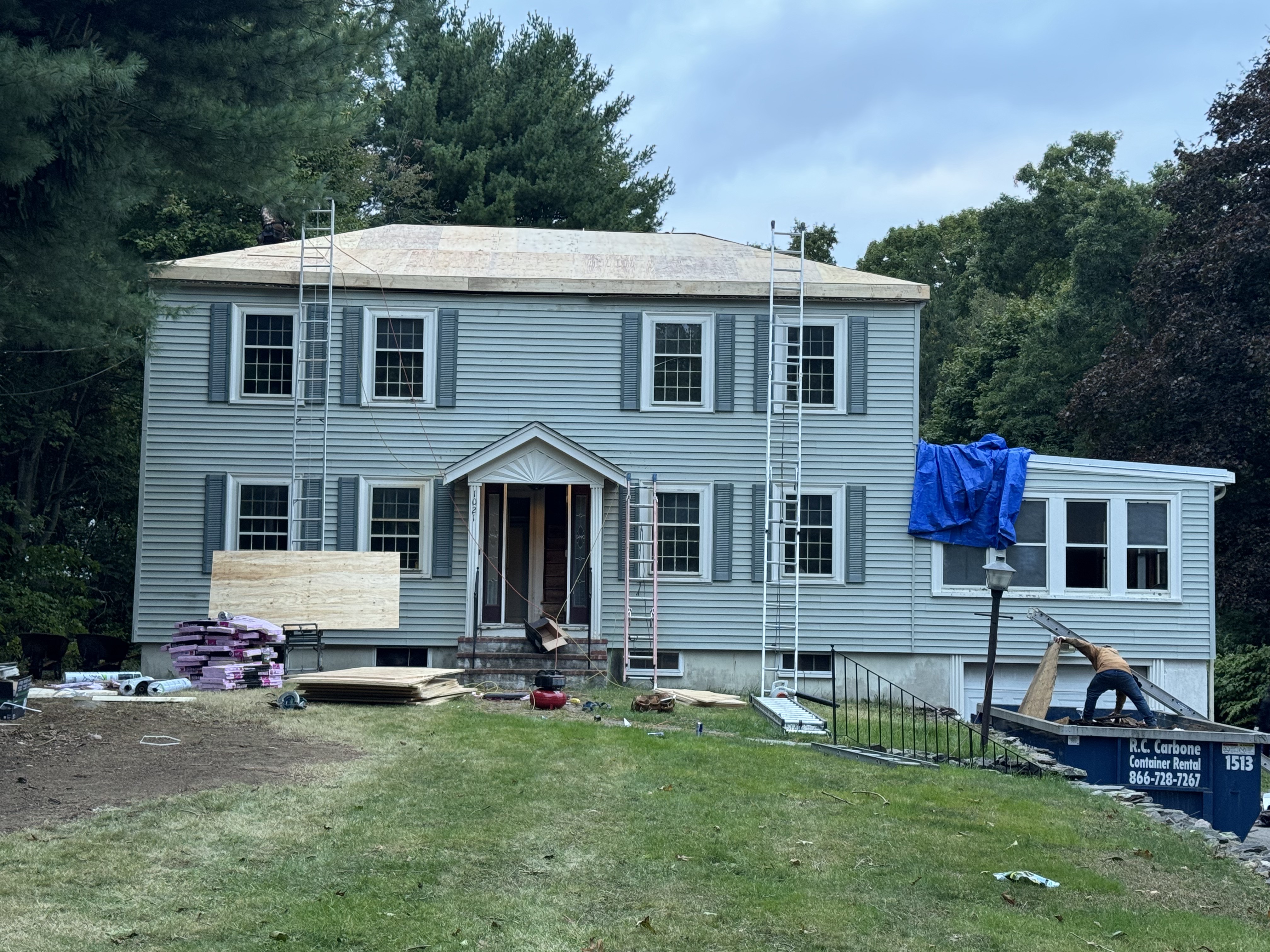
Flat Roofs: The Most Misunderstood Roof Type in New England
Here's something I've noticed. Homeowners with pitched roofs have a decent general understanding of how roofing works. Homeowners with flat roofs are often completely in the dark. And that gap in knowledge leads to deferred maintenance, wrong product choices, and eventually expensive emergencies.
Flat roof installation is a specialty. Not every contractor who does residential shingles should be touching your flat roof. The drainage design, the membrane selection, the flashing details around parapet walls and penetrations — that’s a discipline of its own. When done properly, a flat roof is truly low-maintenance and durable. If you do it wrong, within a few years you’ll have pooling water, failed membranes and interior leaks.
Flat roof replacement comes up eventually for every flat roof building. Membranes have a lifespan. When that lifespan ends, you need someone who knows what they're doing to strip and replace properly. A flat roof replacement contractor worth hiring will assess the decking underneath before quoting. They'll check for rot, for moisture in the insulation layer, for any structural issues that need addressing before the new membrane goes down. The ones who skip that step are the ones you'll be calling back in two years with a complaint.
EPDM: Why This Rubber Roof Material Has Earned Its Reputation
If you own a commercial building or a flat-roofed home in Massachusetts, there's a decent chance you either have EPDM on your roof right now or you've been quoted on it. EPDM roofing installation has been around for a long time and the reason it keeps getting specified is simple — it performs. It flexes in cold weather without cracking. It handles UV exposure well. And when the seams are done properly, it keeps water out for decades.
Commercial rubber roofing using EPDM is the backbone of the commercial flat roof market in New England. Warehouses, retail strips, office buildings, mixed-use developments — you'll find it everywhere. The material itself is reliable. What separates a good job from a bad one is almost always the installation quality. Seam adhesion, termination details, how drains and curbs are flashed. These are the things that fail first when a crew cuts corners.
Commercial Roofing Is Not a DIY Situation. Ever.
Let me be direct about this. Commercial roofing Boston property owners need isn't a job for the lowest bidder with a pickup truck and a ladder. Commercial roofs protect business operations, inventory, equipment, and people. A failure doesn't just mean interior damage — it can mean business interruption, liability exposure, unhappy tenants, and a property that's suddenly harder to insure.
Commercial roof maintenance services are what separate smart building owners from reactive ones. Twice a year — spring and fall — is the standard. A proper maintenance visit includes clearing drains, inspecting all flashings and seams, documenting problem areas, and giving you a clear picture of where your roof stands. It's boring work that saves serious money. Buildings with documented maintenance histories also fare better during insurance claims and property sales.
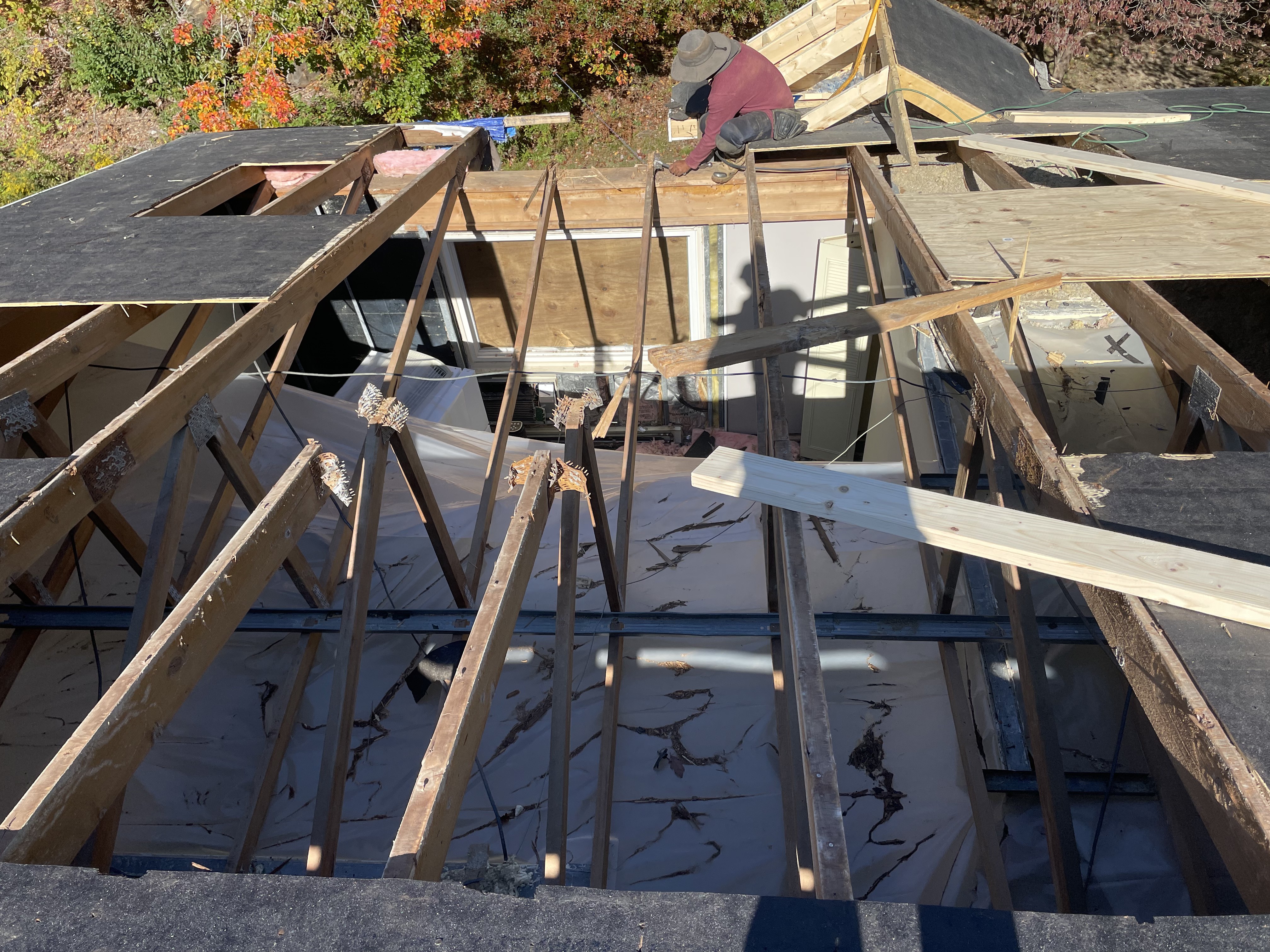
Storms Happen. Emergency Response Matters.
Last winter, a Nor'easter came through and took out a section of flashing on a restaurant roof in Cambridge. Water got into the ceiling above the kitchen. The owner called three contractors. Two didn't answer. One arrived within two hours, with tarps and temporary patches that kept the space functional until permanent repairs could be scheduled the next week. Emergency roofing services are not something you think of until you are in desperate need of them. Worth knowing before the storm hits which contractors in your area actually respond after hours.
When You're Not Looking to Cut Corners
Some projects deserve better than standard. A historic building being restored. A high-end custom home. A commercial property where the roof is part of the architectural statement. High-end roofing installation means premium materials — architectural shingles with real depth and dimension, standing seam metal, copper detailing, top-tier membrane systems — and it means craftsmen who treat the job as something worth doing well. The price is higher upfront. But you're not replacing it in fifteen years.
Okay, So What Should You Actually Do?
Stop waiting if something looks wrong. Call someone. Get an inspection from a real contractor not a door-knocker who showed up after the last storm. Ask for references. Ask them straight out if they’ve worked on your type of roof in your type of neighborhood. Ask about the warranty, and how long it is good for. There is no shortage of roofing contractors in Massachusetts. Finding a good one takes a little more effort than picking whoever's first in the search results. But your roof is sitting above literally everything you own or everything your business does. It deserves that extra effort.
Frequently Asked Questions
How do I know whether I need a repair or a full replacement?
Honestly, age is the clearest signal. A roof under fifteen years old with isolated damage is usually a good repair candidate. A roof pushing twenty years with multiple problem areas, granule loss, or soft spots in the decking is telling you it's time for affordable roof replacement services rather than another patch. Get an honest opinion from a contractor who isn't just trying to sell you the bigger job.
What should I look for when comparing Boston roofing contractors?
Years in business locally, references from jobs in your type of building, whether they pull permits, and how they communicate during the estimate process. A contractor who explains what they're seeing and why they're recommending what they're recommending is worth more than one who just hands you a number.
Is EPDM the right choice for my flat roof?
For most flat and low-slope roofs in Massachusetts, EPDM roofing installation is a strong option. It handles freeze-thaw cycles well, it's proven, and it's cost-effective. TPO and PVC are alternatives worth discussing depending on your specific building. Any reputable flat roof replacement contractor should walk you through the options rather than defaulting to one material without explanation.
How often should commercial roof maintenance services happen?
Spring and fall at minimum. For older commercial roofs or buildings with lots of rooftop equipment and penetrations, quarterly checks make sense. The goal is catching small issues — a lifted seam, a clogged drain, a cracked flashing — before they turn into water intrusion events.